
Democrats win Senate majority, incoming class includes historic firsts and questions for Schumer
Democrats secured at least 54 Senate seats in the midterms, producing an incoming class that includes the first Native American, the first Muslim and the chamber's first Paralympian. Several newly elected Democrats have signalled they will not back Chuck Schumer for majority leader even as Schumer says the party will block what he called "any crappy nominees."
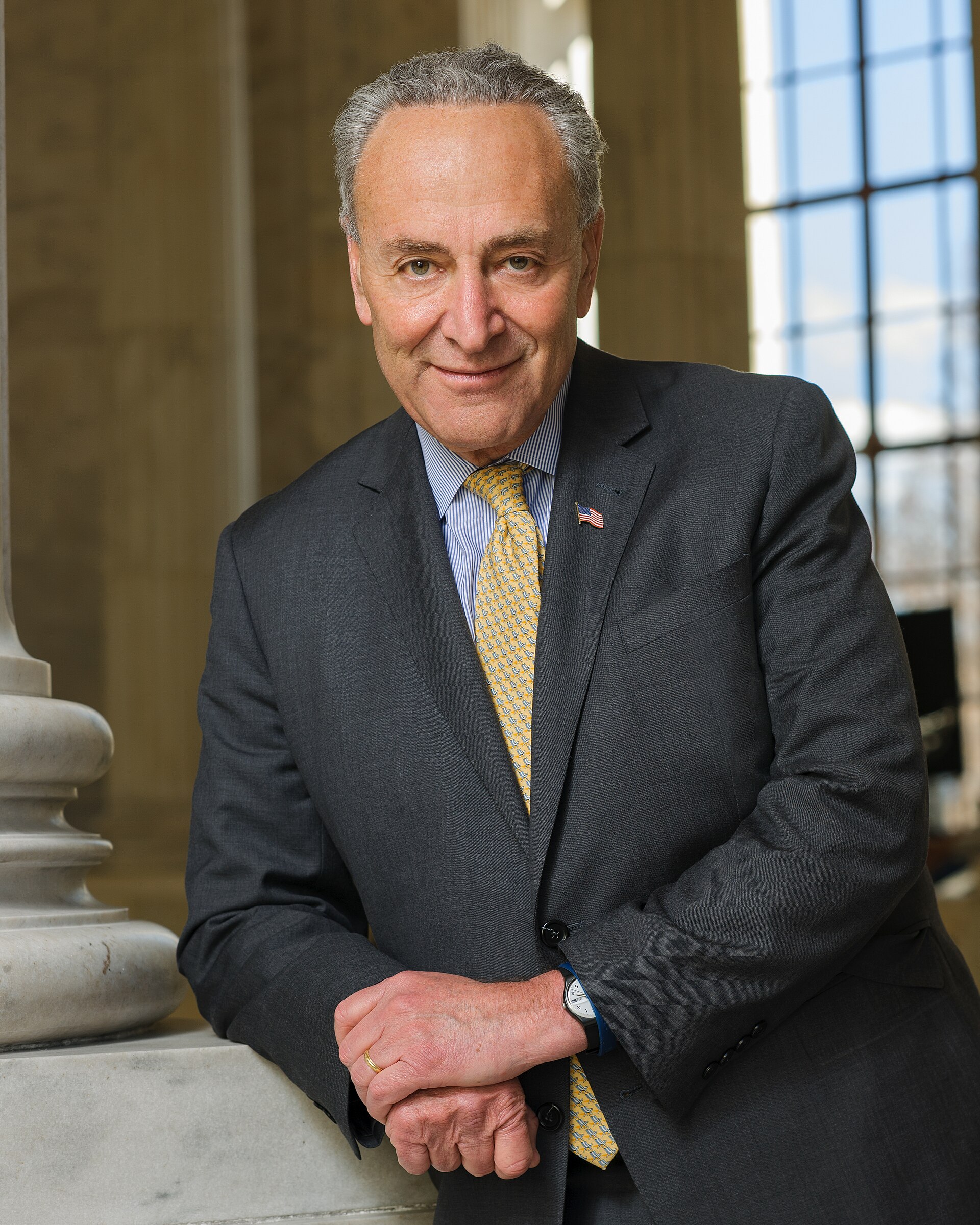
Voters in the midterm elections gave Democrats control of the U.S. Senate with at least 54 seats, producing an incoming class that includes a number of historic firsts: the first Native American elected to the Senate, the first Muslim member of the upper chamber and the Senate's first Paralympian.
Several incoming Democratic senators — including Annie Andrews, Adam Hamilton and Abdul El‑Sayed — have indicated they will not support Chuck Schumer as the next Senate majority leader, even though Schumer is still likely to have enough backing within the caucus to remain its leader.
Schumer told the Associated Press that Democrats would not confirm "any crappy nominees" to the Supreme Court, lower federal courts or to the president's cabinet, and he said Democrats would block a Trump pick he described as a "rightwinger" for the Supreme Court. With a margin of at least 54 seats, Democrats will have room to thwart or leave unconsidered judicial and cabinet nominations from the White House.
It remains unclear how the Democratic caucus will resolve its leadership dispute and which priorities the party will set when the new Congress is sworn in, or which specific nominees lawmakers will target once the confirmation calendar is active.
Why it matters to you
Control of the Senate gives Democrats leverage over judicial and cabinet confirmations, shaping the composition of the federal judiciary and the administration they will face. Internal disagreement over leadership could affect how effectively the caucus organizes that push.